
Image illustrating PC Shipments drop, Q3 2026
Global PC shipments experienced a significant decline in the third quarter of 2026 as rising RAM prices, expensive storage components and higher manufacturing costs put pressure on the computer market. According to Counterpoint Research, worldwide PC shipments fell approximately 21% year over year to 57 million units, marking a sharp reversal after more than two years of shipment growth.
The downturn reflects growing challenges for computer manufacturers as memory shortages and rising component costs push laptop and desktop prices higher. Consumers who previously planned to upgrade their computers are increasingly facing higher prices, while businesses are becoming more selective about hardware purchases.
The decline also highlights how demand for AI infrastructure is affecting the wider technology industry. As manufacturers allocate more resources to advanced memory and AI-related products, conventional PC components are becoming more expensive, creating additional pressure on affordable computers.
Global PC Shipments Fall More Than 20% in Q3 2026
The worldwide PC market experienced a substantial contraction between July and September 2026. Counterpoint Research estimated that global shipments declined 21% compared with the same period in 2025, reaching approximately 57 million units.
Other market research firms reported similarly steep declines. International Data Corporation (IDC) estimated that PC shipments fell 20.1% to 62.7 million units, while Gartner reported a 22.4% decline to approximately 55.4 million units.
The figures differ because research firms use different methodologies and market definitions, but all three reports point to a significant deterioration in the PC market.
The downturn is particularly notable because the third quarter is normally an important period for computer sales. Manufacturers typically prepare for back-to-school purchases and the holiday shopping season by increasing shipments to retailers and distributors.
In 2026, however, higher hardware prices and weaker consumer demand disrupted this seasonal pattern. The decline also followed an unusually strong third quarter in 2025, when businesses and consumers accelerated purchases ahead of the Windows 10 support deadline and amid tariff-related inventory adjustments.
Rising RAM Prices Push Laptop and Desktop Costs Higher
One of the main factors affecting PC shipments is the rising cost of RAM and other essential computer components. Memory prices have increased as demand from AI data centers competes with the supply available for conventional consumer electronics.
Modern AI infrastructure requires substantial quantities of specialized high-bandwidth memory, alongside other semiconductor components. Memory manufacturers have been responding to demand from AI infrastructure providers, contributing to tighter supply conditions and higher costs across parts of the broader memory market.
These pressures affect PC manufacturers because RAM is a fundamental component of laptops, desktops and workstations. When memory prices increase, manufacturers must decide whether to absorb the additional costs, reduce their margins or pass the increases on to customers.
Many computer makers have raised prices or adjusted their product configurations to manage the changing cost environment. These changes make it harder for consumers to find affordable computers with sufficient memory and storage.
The result is a challenging situation for the PC industry: manufacturers face higher production costs at the same time that customers are becoming more sensitive to the final purchase price.
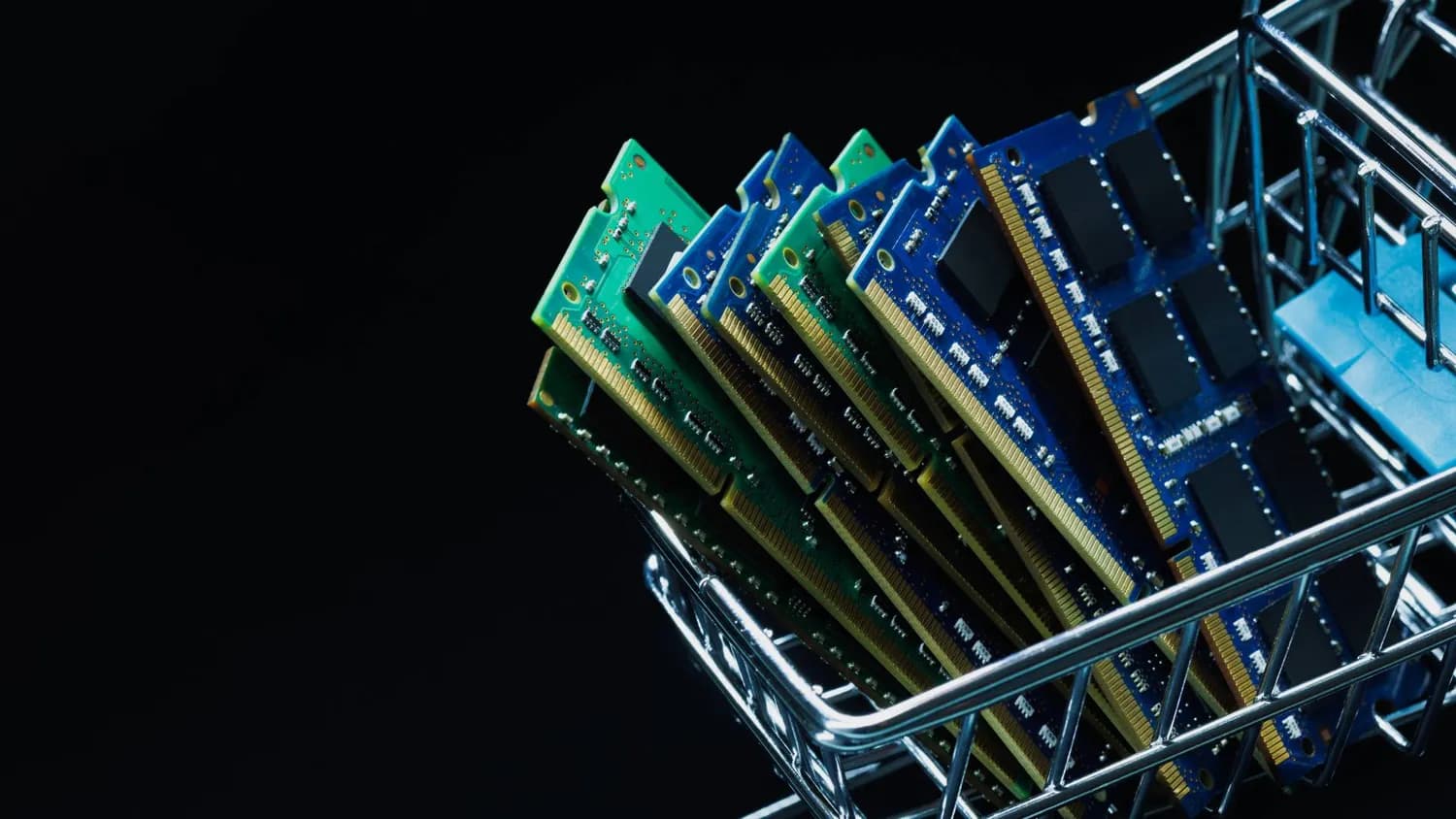
Image illustrating RAM shortage
Why AI Demand Is Contributing to the Memory Shortage
The rapid expansion of artificial intelligence has increased demand for data-center infrastructure, including advanced processors, accelerators and high-bandwidth memory.
AI servers require specialized hardware capable of processing large volumes of data. As technology companies invest in AI training and inference systems, semiconductor manufacturers are directing significant resources toward products serving this market.
Although high-bandwidth memory and conventional PC memory are not interchangeable products, they compete for manufacturing investment and certain semiconductor production resources. Changes in production priorities can therefore affect the availability and cost of memory used in consumer computers.
This does not mean that AI data centers are the sole cause of the PC market downturn. Broader component inflation, previous inventory adjustments, higher retail prices and cautious purchasing decisions have also contributed.
Nevertheless, the growing demand for AI hardware has become an important factor in the technology supply chain, with consequences extending beyond servers to consumer PCs and other electronics.
Consumers Delay PC Upgrades as Computer Prices Increase
Higher PC prices are creating difficulties for consumers who need to replace aging laptops or desktops. Buyers who previously considered upgrading to a newer processor, additional RAM or a larger SSD may now decide to keep their existing systems for longer.
This behavior is particularly relevant to budget-conscious consumers, students, home users and small businesses. These customers often prioritize affordability and may be unwilling or unable to absorb substantial increases in hardware prices.
When entry-level and midrange computers become more expensive, customers may choose lower-specification models, postpone purchases or explore refurbished devices instead.
The impact also extends to businesses. Organizations planning large computer replacement programs may spread purchases over a longer period or prioritize employees and departments that require new hardware most urgently.
Although some commercial demand remains supported by hardware refresh cycles and Windows migration, it has not been sufficient to offset the broader weakness in the market.
Lenovo Remains the World's Largest PC Manufacturer
Despite the market downturn, Lenovo retained its position as the leading PC manufacturer in the third quarter of 2026, according to Counterpoint Research.
The company's shipments reached approximately 15 million units, representing a year-over-year decline of about 23%. Lenovo nevertheless maintained a leading market position, supported by its broad portfolio of consumer and commercial computers.
HP remained the second-largest manufacturer, shipping approximately 10.3 million PCs. However, its shipments declined around 31%, reflecting the pressure facing manufacturers with substantial exposure to price-sensitive consumer and mainstream commercial segments.
Dell ranked third, with shipments of approximately 7.6 million units, down about 25% year over year.
Apple and ASUS performed comparatively better than several larger competitors. Apple's shipments declined around 11%, while ASUS recorded a smaller decrease of approximately 7%, according to Counterpoint's preliminary estimates.
These results demonstrate that the PC market downturn has not affected every manufacturer equally. Product positioning, pricing, supply-chain management and the mix of consumer and commercial products can influence how well individual companies withstand difficult market conditions.
PC Shipment Comparison: Q3 2026
Counterpoint Research's preliminary estimates show that major PC manufacturers experienced declines of varying sizes during the third quarter.
Q3 2026 Shipments for different Manufacturers
Table showing Q3 2026 Shipments for different Manufacturers
| PC manufacturer | Q3 2026 shipments | Year-over-year change |
|---|---|---|
| Lenovo | 15.0 million | -23% |
| HP | 10.3 million | -31% |
| Dell | 7.6 million | -25% |
| Apple | 5.6 million | -11% |
| ASUS | 5.2 million | -7% |
| Other manufacturers | 13.3 million | -16% |
Source: Counterpoint Research, preliminary Q3 2026 estimates. Figures are rounded.
The comparison shows that even leading PC manufacturers faced substantial shipment declines. ASUS and Apple were relatively more resilient, while HP experienced one of the largest contractions among the leading vendors.
However, shipment figures represent computers shipped into the market, not necessarily the number purchased by end users during the same period. Changes in distributor inventories and retailer orders can also influence reported shipment totals.
Why the Q3 PC Market Decline Is Especially Significant
The third-quarter decline is notable because it reverses the growth trend that had supported the PC industry for more than two years through the second quarter of 2026.
The comparison is also affected by unusually strong shipments in Q3 2025. Ahead of the end of Windows 10 support in October 2025, some businesses and consumers accelerated computer replacement plans. Tariff-related inventory adjustments also influenced purchasing and shipment patterns.
These earlier purchases created a higher comparison base for the third quarter of 2026.
Even after accounting for this effect, however, the scale of the decline points to genuine affordability and supply-chain challenges. Higher component costs are making it more difficult for manufacturers to maintain competitive prices, especially in the entry-level and mainstream segments.
For the industry, the challenge is to balance profitability with affordability. Raising prices can protect margins, but excessive increases risk discouraging customers from upgrading their devices.
Will PC Prices Increase Further in 2026?
PC prices remain under pressure as manufacturers contend with higher memory and storage costs. The final retail price of a computer depends on several factors, including its processor, RAM capacity, SSD size, display, graphics hardware and manufacturer pricing strategy.
Computers with larger memory configurations may be particularly exposed to rising component costs. Budget systems may also become more expensive if manufacturers reduce the availability of lower-priced configurations or move toward products with higher specifications and selling prices.
Gartner's October 2026 analysis highlighted the extent of this pressure, reporting that higher memory and storage costs had already been reflected in PC pricing.
However, price increases will not necessarily be uniform across every product category or region. Retail promotions, existing inventory, currency movements and competition between manufacturers can influence the prices consumers actually pay.
Buyers who need a computer immediately should compare specifications and total costs across several models. Those with functioning systems may benefit from waiting for clearer pricing trends, provided their current hardware continues to meet their needs.
PC Market Outlook for Q4 2026 and 2027
The outlook for the PC market remains challenging. Counterpoint Research expects global shipments to decline by approximately 27% year over year in the fourth quarter of 2026, with full-year 2027 shipments forecast to remain broadly flat compared with 2026.
These projections suggest that the industry may continue to face pressure even after the initial effects of higher component prices and inventory adjustments work through the market.
Manufacturers will likely focus on managing supply chains, protecting margins and identifying customers who are willing to pay for premium features. AI PCs, improved displays and specialized business systems may offer opportunities, but affordable products will remain important for sustaining broad consumer demand.
The timing of a recovery will depend partly on memory supply, component pricing, economic conditions and consumers' willingness to replace aging computers.
A stabilization in shipment volumes would not necessarily mean that the market has returned to its previous growth trajectory. Manufacturers may first need to adjust production and pricing to a lower level of demand before sustained growth resumes.
What the PC Shipment Decline Means for Buyers
For consumers, the decline in PC shipments highlights the importance of evaluating hardware purchases carefully. Higher RAM and storage costs may affect the price of new computers, but buyers can still make informed decisions by comparing specifications and identifying their actual performance requirements.
Users who mainly browse the internet, work with documents or attend online meetings may not need the most expensive hardware configurations. Students and home users can compare entry-level and midrange systems, while professionals with demanding workloads should prioritize the components that directly affect their productivity.
Upgrading an existing computer can also be a practical alternative when compatible memory or storage is available at a reasonable price. However, the value of an upgrade depends on the age of the device, its compatibility and the total cost compared with buying a replacement.
Businesses can reduce unnecessary spending by prioritizing essential replacements and extending the useful life of systems that remain secure and functional.
Ultimately, the PC market downturn does not mean that consumers have stopped needing computers. Instead, higher prices are changing when people buy, which configurations they choose and how long they keep their existing devices.
Conclusion
Global PC shipments dropped more than 20% in Q3 2026 as rising RAM prices, expensive storage components and broader hardware inflation weighed on demand. Counterpoint Research reported a 21% year-over-year decline, while IDC and Gartner also recorded substantial contractions.
The expansion of AI infrastructure has intensified competition for semiconductor manufacturing resources, contributing to pressure on memory supply and pricing. At the same time, higher computer prices have encouraged consumers and businesses to delay upgrades or reconsider their purchasing plans.
Lenovo remained the world's largest PC manufacturer, while ASUS and Apple experienced smaller shipment declines than several competing vendors. Nevertheless, the broader market faces a difficult period as manufacturers attempt to balance rising production costs with consumer affordability.
With Counterpoint forecasting another sharp shipment decline in Q4 2026 and broadly flat volumes in 2027, the PC industry's recovery may take time. The direction of memory prices, supply-chain conditions and consumer demand will be critical in determining when the market can return to sustained growth.