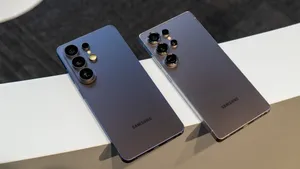
Samsung Galaxy S27 Ultra (Source: Android Central)
Samsung’s Galaxy S27 Ultra is already being linked to one of the most anticipated smartphone upgrades in years: a potential shift to silicon-carbon battery technology. The latest rumor suggests Samsung may finally move beyond the 5,000mAh lithium-ion formula it has used across multiple Galaxy S Ultra generations, opening the door to better battery life without making the phone bulkier.
Why This Battery Upgrade Matters
Battery life has become one of the biggest pressure points for premium smartphones, especially as brighter displays, heavier AI features, and more demanding camera systems keep pushing power consumption higher. Samsung’s current Galaxy S26 Ultra still ships with a 5,000mAh battery, according to Samsung’s own product pages, so the idea of a more advanced battery system in the Galaxy S27 Ultra is a meaningful rumor rather than a small spec bump.
That is why this particular leak is getting attention. After years of relatively conservative battery choices in the Ultra line, a chemistry upgrade would be more significant than a routine increase from 5,000mAh to 5,200mAh. It would signal that Samsung is finally ready to compete more directly with Chinese phone makers that have been using newer battery tech to squeeze more capacity into similarly sized devices.
The Big Rumor: Silicon-Carbon Could Be Coming
The current tip says Samsung is testing silicon-carbon (Si-C) batteries for the Galaxy S27 Ultra. Reports summarized by Tom’s Guide and Notebookcheck say this tech can offer much higher energy density than conventional lithium-ion cells, which means Samsung could fit a larger battery into the same physical space or keep the same capacity while improving internal design flexibility.
In simple terms, this is the sort of upgrade Galaxy Ultra fans have been waiting for. Instead of just hoping for better battery life through chip efficiency alone, silicon-carbon raises the possibility of a more noticeable real-world gain in screen-on time, gaming endurance, and video playback. That is what makes the rumor so compelling even at this early stage.
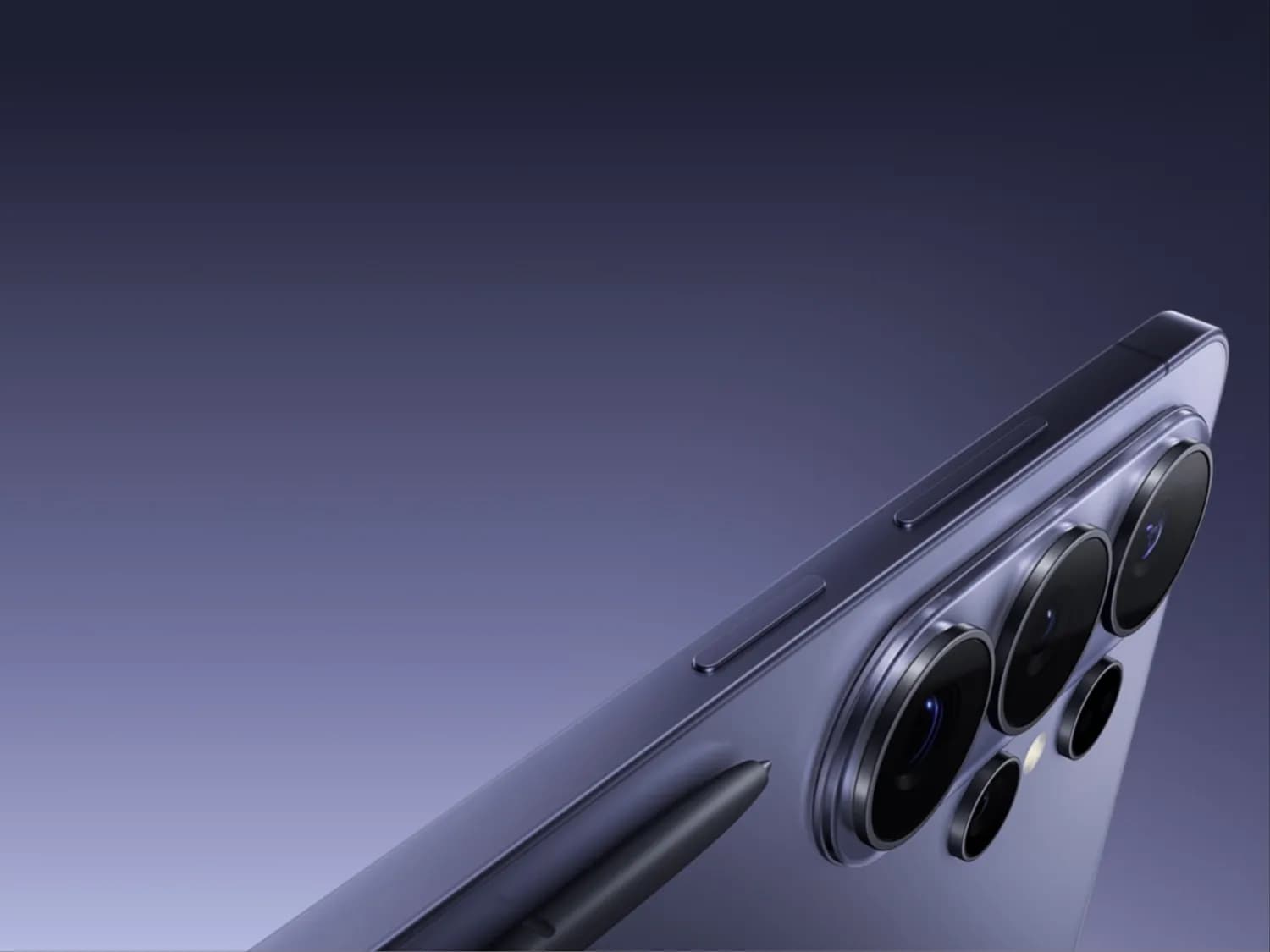
Samsung Galaxy S7 Ultra
Samsung Has Already Admitted It Is Working on the Tech
What gives this rumor extra credibility is that Samsung has already publicly discussed the technology. At a press roundtable ahead of Galaxy Unpacked 2026, Samsung smartphone R&D chief Sung-Hoon Moon said the company was working on silicon-carbon batteries but had not yet adopted them because they still needed to pass Samsung’s strict validation standards. TechRadar reported that Samsung is “getting it ready,” while Tom’s Guide similarly said the company considers the technology promising but not mature enough yet for a flagship at Samsung’s scale.
That means the Galaxy S27 Ultra rumor is not appearing out of nowhere. It lines up with Samsung’s own messaging from earlier this year: the company is interested in the upgrade, knows it is falling behind rivals in this area, and appears to be waiting until the safety and durability profile is strong enough.
Why Samsung Has Been So Cautious
Samsung’s slow approach is easy to understand. Silicon-carbon batteries promise higher energy density, but current reporting says they can also degrade faster and are more prone to swelling or expansion than traditional lithium-ion batteries. Tom’s Guide’s report on the S27 Ultra rumor says Samsung’s internal testing has reportedly not yet hit the durability level the company wants, with one cited benchmark falling short of its charging-cycle target.
For Samsung, battery risk is not just a technical issue. It is also a brand issue. The company has every reason to be more cautious than smaller rivals when it comes to battery safety, and that helps explain why it kept the Galaxy S26 series on traditional battery chemistry despite industry momentum moving elsewhere.
What the Upgrade Could Mean in Practice
If Samsung does bring silicon-carbon to the Galaxy S27 Ultra, the biggest benefit would likely be better endurance without a thicker phone. That could mean longer daily battery life, more headroom for on-device AI features, and a stronger position against rivals that are already pushing aggressive battery specs. Reports discussing silicon-carbon batteries point out that brands like Honor, OnePlus, and Xiaomi have used the chemistry to offer larger capacities while keeping slim designs.
It could also give Samsung more flexibility elsewhere in the design. A denser battery can free up internal space for cooling, cameras, or thinner hardware. Even if Samsung does not jump to a massive advertised battery number, a more efficient battery layout could still be one of the most important under-the-hood improvements in the phone. That is why this rumor feels bigger than a typical capacity leak.
The Galaxy S27 Ultra Is Starting to Sound Like a Bigger Leap
The battery rumor is not the only early Galaxy S27 Ultra claim circulating. Android Central recently reported that the Ultra model may also be among the few in the S27 lineup to get UFS 5.0 storage, while other rumored upgrades appear less certain. Taken together, that suggests Samsung may be saving its most meaningful hardware improvements for the Ultra model again, with battery tech potentially being the headline change people care about most.
That would make sense. Battery life is one of the easiest upgrades for users to feel immediately, and recent consumer survey reporting highlighted by TechRadar says battery life has now overtaken price as a top smartphone buying priority. In that environment, a genuine battery breakthrough would be far more marketable than another minor camera tweak or benchmark gain.
Should You Trust the Rumor Yet?
Not completely. The Galaxy S27 Ultra is still far enough away that any early leak should be treated as provisional. Right now, the strongest takeaway is not that Samsung has definitively locked in a silicon-carbon battery, but that multiple recent reports and Samsung’s own earlier comments point in the same direction: the company is actively preparing for the switch and the Galaxy S27 Ultra looks like the likeliest place for it to happen first.
So the smart read is this: the rumored Galaxy S27 Ultra battery upgrade is believable, highly anticipated, and potentially important, but it is still not confirmed. Until Samsung finalizes the phone, the safer wording is that the S27 Ultra has been tipped for silicon-carbon battery technology rather than guaranteed to get it.
Final Take
If this rumor proves accurate, the Galaxy S27 Ultra could deliver one of Samsung’s most meaningful flagship upgrades in years. The shift to silicon-carbon would not just be a spec-sheet win; it could finally address one of the few areas where Samsung’s Ultra phones have started to look conservative next to rivals. After years of the same 5,000mAh-class story, the Galaxy S27 Ultra may be the device that finally moves Samsung’s battery strategy forward.