Image Source: MarketForces Africa
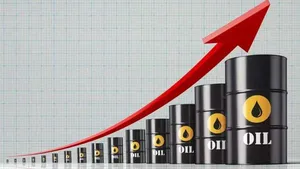
Oil futures are climbing as renewed attacks on Saudi Arabia and growing tensions between the United States and Iran raise concerns about global energy supplies. Investors are increasingly worried that further military escalation could disrupt crude oil production, shipping routes and exports from the Middle East.
On October 22, 2026, December Brent crude futures rose 2.7% to approximately $111.70 per barrel, while U.S. West Texas Intermediate (WTI) futures gained 2.5% to $99.57. Prices subsequently climbed further, with Brent reaching $113.75 and WTI trading at $100.13 on October 23.
The latest gains reflect a combination of geopolitical uncertainty, attacks on energy infrastructure, shipping risks and declining U.S. crude inventories. Although Middle Eastern oil exports have recovered, traders remain concerned that renewed hostilities could threaten the stability of global energy markets.
Oil Prices Rise as Saudi Arabia Faces Renewed Attacks
Recent attacks on Saudi Arabia have increased concerns about the security of the world's largest oil-exporting region. On October 21, Saudi air defenses intercepted a drone targeting a facility at Saudi Aramco's Shaybah oil field.
Falling debris killed two people and injured two others, according to Saudi authorities. The incident did not affect operations at the facility, but it heightened concerns about the vulnerability of critical energy infrastructure.
Saudi Arabia is a major supplier to international oil markets, making the security of its production facilities and export routes particularly important for global energy prices.
Saudi Aramco also reportedly ordered the evacuation of its headquarters in Dhahran as regional fighting intensified. The precautionary move added to market concerns about the potential for further attacks on energy facilities.
Even when an attack does not immediately interrupt production, the possibility of future damage can increase the risk premium investors demand for holding oil contracts.
U.S.-Iran Tensions Add Pressure to Crude Oil Futures
Relations between Washington and Tehran remain another major source of uncertainty for energy markets. The United States is considering additional military options against Iran, while diplomatic efforts to prevent renewed escalation continue.
Washington has also ordered nonessential government personnel and their families to leave Saudi Arabia amid growing security concerns. Meanwhile, additional U.S. military assets have been deployed toward the region, reinforcing fears that the conflict could intensify.
Iran's oil exports have been constrained by a U.S. blockade, adding another complication to the global supply outlook. Any expansion of hostilities could further affect crude production, exports and maritime transportation.
For oil traders, the central concern is whether the current confrontation will remain limited or develop into a broader conflict involving major oil-producing countries and critical shipping routes.
A prolonged escalation could push crude prices higher, while a credible diplomatic agreement could reduce the geopolitical premium currently reflected in futures prices.
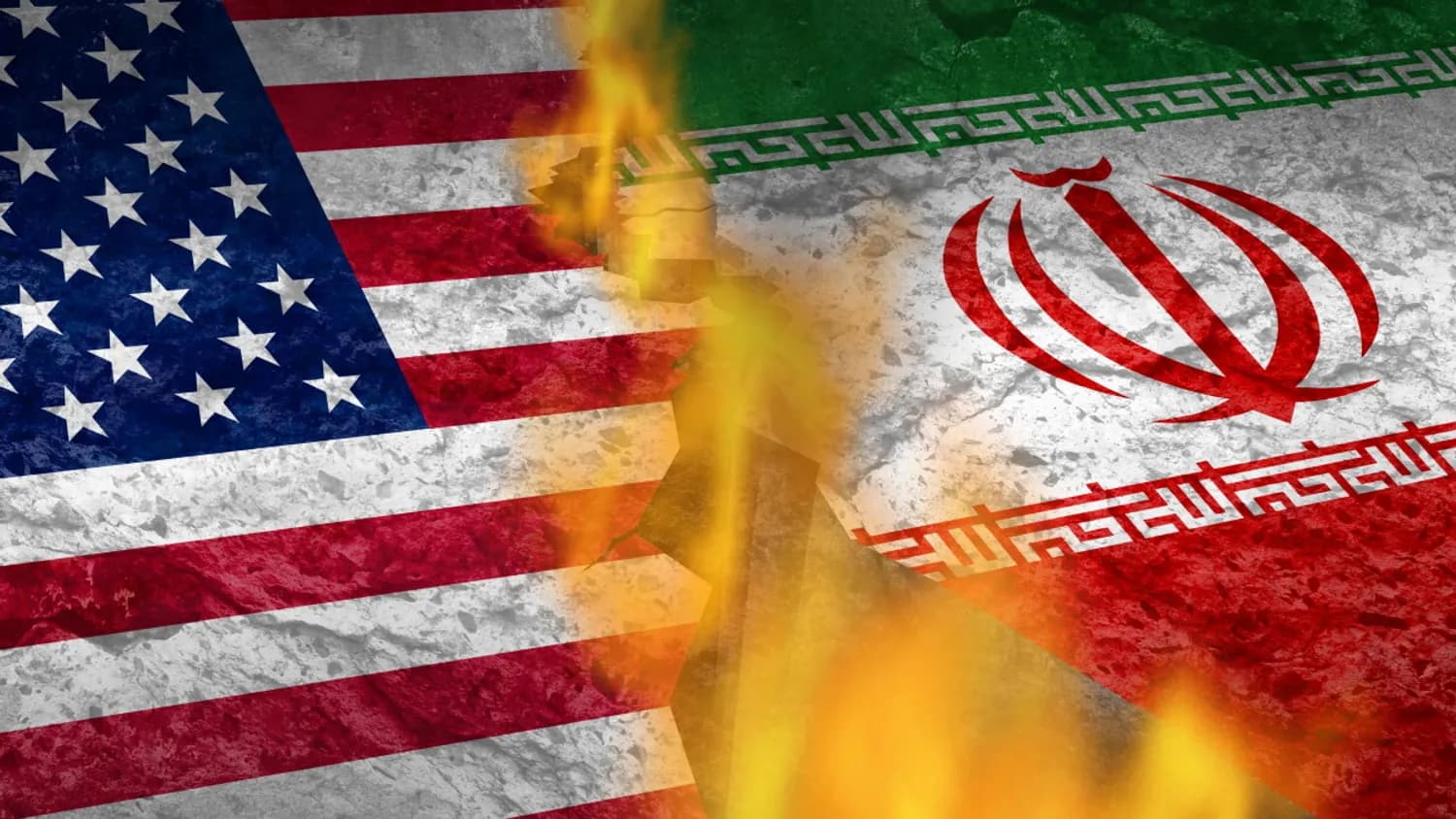
Image Source: Small Wars Journal
Strait of Hormuz Shipping Risks Keep Traders on Alert
The Strait of Hormuz remains one of the most important chokepoints in the global energy system. A substantial share of internationally traded crude oil and petroleum products normally passes through the narrow waterway connecting the Persian Gulf with the Gulf of Oman.
Threats to commercial vessels, attacks on tankers and rising maritime insurance costs have increased uncertainty for shipping companies and energy traders.
Even if oil production remains stable, disruptions to tanker movements can delay deliveries, increase transportation expenses and reduce the amount of crude reaching refineries on schedule.
Some vessels have continued operating through alternative routes or with additional security precautions. However, these measures cannot completely eliminate the risks associated with an escalating regional conflict.
If shipping disruptions become more severe, the effect on oil prices could extend beyond the immediate reaction to military developments.
Middle Eastern Oil Exports Recover Despite Geopolitical Risks
Despite the security concerns, Middle Eastern crude exports have shown signs of recovery. According to shipping data cited by market reports, crude shipments from the region exceeded 24 million barrels per day during the week ending October 18, surpassing the reported prewar level of approximately 23.3 million barrels per day.
This recovery has helped limit the immediate impact of the conflict on physical oil availability.
However, higher export volumes do not necessarily mean that the risk of future shortages has disappeared. Traders are assessing whether shipments can remain at elevated levels if attacks on energy facilities and commercial vessels continue.
The market is therefore balancing two opposing developments: improving oil flows in the present and the possibility of significant supply disruptions in the future.
This explains why prices can rise even when export volumes are recovering. Futures markets reflect expectations about future supply and demand, not just the amount of oil reaching buyers today.
Falling U.S. Crude Inventories Support Oil Prices
Oil prices have also received support from a decline in U.S. commercial crude inventories.
Data from the U.S. Energy Information Administration showed that crude stockpiles fell by approximately 3.1 million barrels to 412.5 million barrels in the week ending October 16.
Lower inventories can indicate stronger refinery demand, reduced imports or other changes in supply and consumption. When stockpiles decline unexpectedly, traders may become more concerned about the availability of crude oil in the short term.
The inventory figures have added another supportive factor to an already tense market.
However, crude inventories are only one part of the broader outlook. Refinery activity, gasoline and diesel stocks, U.S. production and international shipping conditions will also influence prices in the coming weeks.
Brent Crude and WTI Prices: What Investors Should Watch
Brent and WTI are the two most closely followed crude oil benchmarks, but they can respond differently to regional supply conditions and transportation costs.
Brent is particularly sensitive to international seaborne crude flows, making it an important indicator of developments affecting Middle Eastern exports and global shipping.
WTI reflects U.S. crude market conditions and can be influenced by domestic production, inventories, refinery demand and transportation infrastructure.
The recent rise in both benchmarks indicates that concerns about the Middle East are affecting the broader oil market rather than only one regional pricing mechanism.
Investors should monitor several developments:
- Saudi energy infrastructure: Further attacks or production interruptions could intensify supply concerns.
- U.S.-Iran relations: Military escalation or a breakdown in diplomatic efforts could increase market volatility.
- Strait of Hormuz shipping: Any significant interruption to tanker traffic could affect global crude availability.
- U.S. inventory reports: Unexpected changes in crude and refined-product stocks may influence short-term price movements.
- Middle Eastern export volumes: Sustained recovery in shipments could help moderate the geopolitical risk premium.
These factors will help determine whether the latest price gains continue or reverse.
Will Oil Prices Continue to Rise?
The outlook for oil prices remains highly uncertain because geopolitical developments can change the market rapidly.
If attacks on Saudi Arabia continue and tensions between Washington and Tehran intensify, Brent and WTI could face additional upward pressure. Prolonged shipping disruptions or damage to major energy facilities would increase the risk of tighter supplies and higher transportation costs.
On the other hand, successful diplomatic efforts, safer shipping conditions and sustained growth in Middle Eastern exports could ease supply concerns. Under that scenario, some of the geopolitical premium currently built into crude prices could disappear.
Global demand will also matter. Economic growth, industrial activity and fuel consumption will influence how much additional supply the market requires.
For now, traders appear more concerned about the possibility of future disruptions than reassured by the recovery in current export volumes.
Final Thoughts
Oil futures have risen as attacks on Saudi Arabia and persistent U.S.-Iran tensions raise concerns about the stability of global energy supplies. Brent crude has climbed above $110 per barrel, while WTI has moved around the $100 mark amid heightened geopolitical uncertainty.
Recovering Middle Eastern exports and falling U.S. crude inventories are adding complexity to the market outlook. Although current oil flows have improved, the threat of renewed military escalation continues to support prices.
The next major moves will depend on whether diplomatic efforts can reduce regional tensions, whether tanker traffic remains secure and whether oil exports continue recovering.
For consumers, businesses and investors, the situation highlights how quickly geopolitical events can influence fuel costs, inflation expectations and global financial markets.