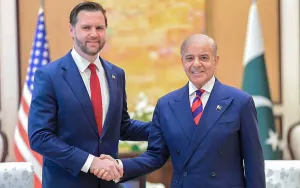
J.D. Vance with Pakistani Prime Minister, During Last Visit in April, 2026
In a major development in ongoing Middle East diplomacy, reports indicate that former U.S. President Donald Trump has sent Vice President JD Vance to Pakistan once again to continue high-stakes negotiations involving Iran. The move comes amid escalating tensions in the region and repeated attempts to revive stalled talks between Washington and Tehran. Pakistan has emerged as a key diplomatic hub in these negotiations, hosting multiple rounds of indirect and direct discussions aimed at stabilizing the situation and addressing nuclear and security concerns.
JD Vance’s Return to Pakistan for Iran Talks
JD Vance is reportedly heading back to Islamabad for another round of discussions with Iranian representatives, following earlier negotiations that failed to produce a final agreement. Previous talks led by Vance lasted more than 20 hours but ended without a breakthrough, despite some progress on procedural matters. The renewed visit signals that both sides are still attempting to find a diplomatic solution, even as tensions remain high over nuclear policy, sanctions, and regional security concerns.
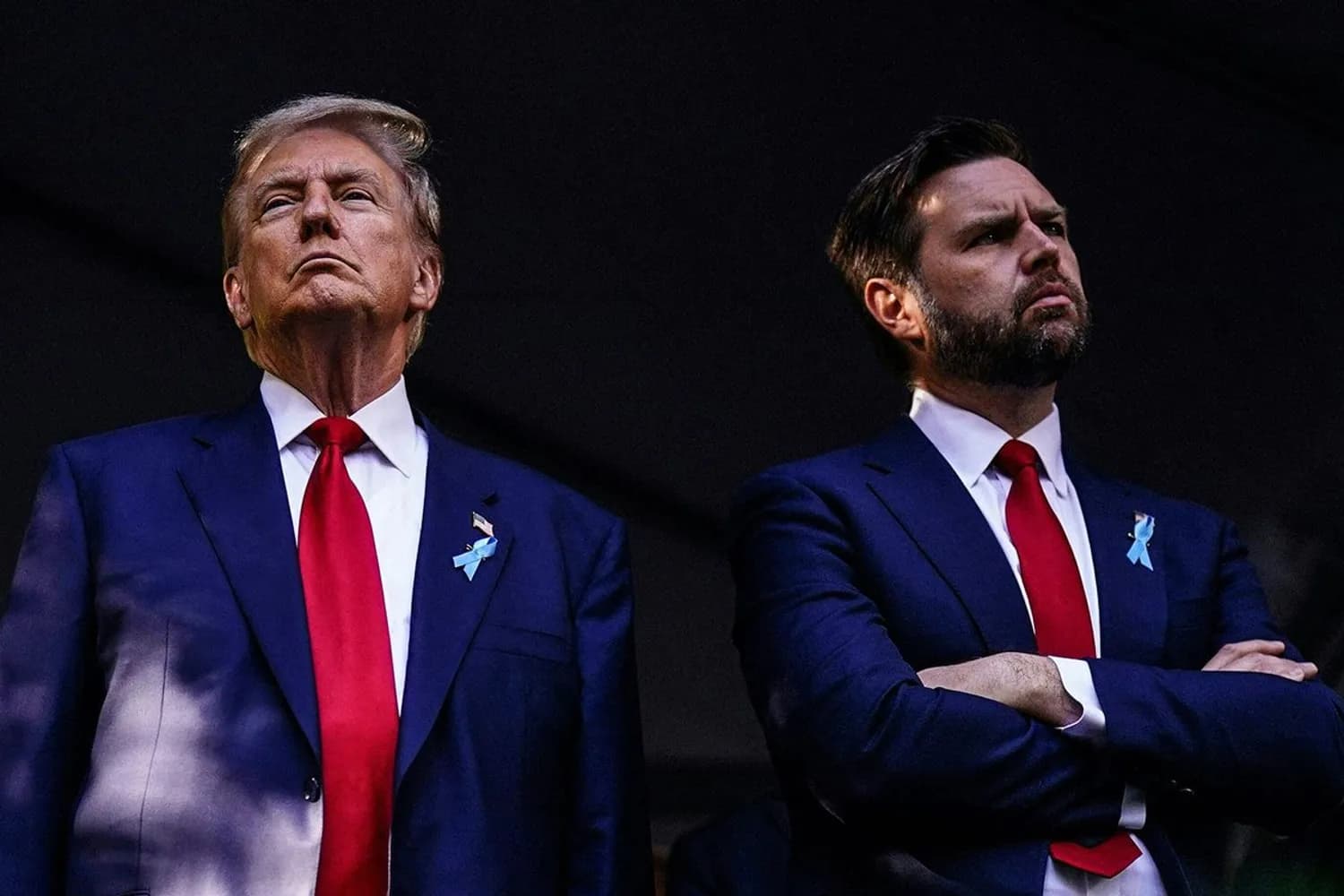
J.D. Vance with U.S. President Trump
Why Pakistan Is Hosting the Talks Again
Pakistan has played a central mediating role in the U.S.–Iran negotiations, providing a neutral location for discussions. Its involvement has been crucial in facilitating communication between both sides, especially after direct negotiations repeatedly stalled in earlier rounds. The country’s diplomatic engagement has positioned it as an important intermediary in efforts to reduce regional instability and prevent further escalation of conflict in the Middle East.
Background: Previous Talks and Rising Tensions
Earlier rounds of negotiations in Islamabad were described as intense and lengthy, with discussions lasting nearly a full day. However, the talks ultimately failed to resolve key disagreements, particularly over Iran’s nuclear program and related security demands. Following the breakdown of previous talks, tensions increased significantly, with both sides exchanging strong statements and taking harder negotiating positions.
Despite these challenges, diplomatic channels have remained open, leading to the decision to send JD Vance back for additional discussions.
Key Issues on the Table
The current round of talks is expected to focus on several major issues, including Iran’s nuclear activities, regional security concerns, and broader geopolitical stability. The United States has maintained strict demands regarding nuclear restrictions, while Iran continues to push back against what it considers excessive conditions. Another key topic includes broader regional de-escalation, as ongoing instability has raised concerns about energy security and international trade routes.
Regional and Global Impact
The renewed talks come at a critical time, as tensions in the region continue to affect global markets and diplomatic relations. Any progress or failure in these negotiations could significantly impact oil prices, international shipping routes, and broader geopolitical stability. Analysts suggest that continued dialogue, even without immediate agreement, is crucial to preventing further escalation and maintaining fragile stability in the region.
Conclusion
JD Vance’s return to Pakistan for renewed talks with Iran highlights the ongoing and complex nature of U.S.–Iran diplomacy. While previous negotiations have failed to produce a breakthrough, the continuation of discussions suggests that both sides are still seeking a potential diplomatic resolution. As the situation develops, Pakistan’s role as a mediator and the outcome of these talks will remain closely watched by the international community.